Friday, May 1, 2026
Home Blog Page 15

Sustainable Hair Care: Tips for Reducing Water Usage

In today’s eco-conscious society, sustainable hair care is more important than ever. Many are waking up to the impact our daily routines have on the planet, and water usage is no exception. The hair care industry, often overlooked, can contribute significantly to water consumption. So, how do we ensure that our locks stay luscious while minimizing our eco-footprint? Let’s explore some practical tips for cutting down water usage without compromising on quality.
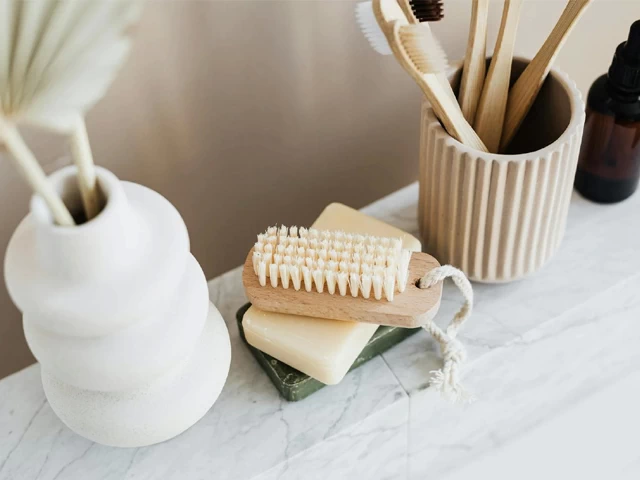
Sustainable Hair Care

Understanding Water Usage in Hair Care

Water is a precious resource, and our hair care routines can often be more wasteful than we realize. With every lather, rinse, and repeat, gallons of water flow down the drain.

Statistics on Water Consumption

It’s surprising to learn just how much water is used in a single wash. On average, a showerhead flows at a rate of 2.1 gallons per minute. A typical shower lasts around 8 minutes, meaning more than 16 gallons of water could be used in just one washing session. When multiplied across multiple washes a week, the numbers add up quickly. According to a study by L’Oréal, innovative solutions are being developed to combat this wastage.

Environmental Impact of Water Waste

The excessive use of water in hair care contributes to broader issues like water scarcity and environmental degradation. This wasteful practice not only drains local water resources but also affects the energy required for water heating. Brands like P&G are investing in initiatives to create a more sustainable future by addressing water conservation concerns.


Tips for Reducing Water Usage

Adopting water-saving habits into your hair care routine is easier than you might think. Here are practical tips to make your routine more sustainable.

Wash Less Frequently

Washing your hair every day isn’t just unnecessary; it’s also wasteful. By reducing the frequency to every other day or even a few times a week, you not only save water but also improve the natural oils in your hair, leading to healthier locks. According to Flora, this simple change can lead to even healthier hair by reducing the amount of shampoo and conditioner you need to use.

Turn Off the Tap

A small but mighty change is to turn off the shower while you lather up your shampoo or conditioner. It’s a simple action, yet it stops gallons of water from being wasted every time you wash your hair.

Use Water-Efficient Products

Consider using products specifically designed to use less water, such as dry shampoos or concentrated washes. These products can help prolong the time between wet washes and decrease your overall water use. Viva La Gaia discusses how waterless cosmetics can lower the environmental footprint of your cosmetics arsenal.

Shorten Shower Times

Pre-rinsing your hair before getting into the shower can minimize how long you need the water running. Knowing exactly what you need when you step in can also help speed up the process. Syensqo emphasizes the importance of shorter showers in reducing water waste.


Alternative Hair Care Techniques

Exploring alternative methods not only diversifies your hair care approach but also conserves water.

Dry Shampoos and Waterless Products

Extending the time between traditional washes is easy with dry shampoos and other waterless products. They absorb oil and dirt, making your hair look fresh without a drop of water. Learn more about waterless hair care products.

Air Drying vs. Blow Drying

Trading in your blow dryer for air drying can save both water and energy. It may take a little longer, but it’s gentler on your hair and the environment. Consider giving your hair a chance to experience the benefits of air drying.


FAQs

  1. Is it better to skip washing hair altogether?Skipping washing isn’t necessary, but frequency can be tailored to your hair’s needs. Less frequent washing can lead to healthier hair.
  2. How effective are dry shampoos?Dry shampoos are quite effective in absorbing oils and freshening hair in between washes, significantly reducing water usage.
  3. What are the potential drawbacks of air drying?While air drying can be gentler, some users may experience more frizz or longer styling times.

Conclusion

Embracing sustainable hair care doesn’t mean sacrificing quality. By incorporating these tips, you can reduce your environmental impact while maintaining a great hair routine. From using dry shampoos to washing less frequently, every small step can ripple out into a larger impact on the planet. So why not make these eco-friendly changes today? Your hair and the Earth will thank you.


Top 10 Uplifting Anxiety Quotes to Start Your Day

Anxiety can sometimes feel like a shadow that follows us relentlessly. But what if there was a way to shine some light on those dark corners of your mind? Many have found tranquility through the power of words. Uplifting quotes serve as gentle reminders that you can weather the storm. They’re not just words; they’re a spark of hope, guiding us through the fog of anxiety.

The Importance of Uplifting Quotes

Uplifting quotes do more than momentarily elevate our mood. They can reshape our thought patterns. According to PsychCentral, even a brief encounter with positive words can begin to turn the tide. An inspiring line could act as a compass, redirecting our focus away from stress and toward positivity. For those battling anxiety, these nuggets of wisdom can become a haven, a reminder that they are not alone in their journey.

Top 10 Uplifting Quotes to Start Your Day

Top 10 Uplifting Quotes to Start Your Day

Quote #1: Embracing Positivity

“There are always flowers for those who want to see them.” — Henri Matisse
This quote emphasizes the power of perspective. Even amid chaos, choosing to see beauty can alter your experience.

Quote #2: Overcoming Challenges

“You gain strength, courage, and confidence by every experience in which you stop to look fear in the face.” — Eleanor Roosevelt
Roosevelt reminds us that real strength is built by facing our fears head-on. Each small victory builds resilience.

Quote #3: Finding Inner Peace

“Keep calm and carry on.” — British Government, 1939
Initially used to boost morale, this simple phrase encourages calmness amidst the chaos, urging us to press forward with peace.

Quote #4: The Power of Mindset

“Whether you think you can, or you think you can’t – you’re right.” — Henry Ford
Ford’s words remind us that our thoughts dictate our reality. A positive mindset is key to overcoming anxiety.

Quote #5: Courage to Face the Day

“You miss 100% of the shots you don’t take.” — Wayne Gretzky
Courage isn’t about being fearless; it’s about taking action despite fear. Gretzky inspires action over regret.

Quote #6: Living in the Moment

“Be present in all things and thankful for all things.” — Maya Angelou
Angelou’s wisdom highlights mindfulness, urging us to appreciate the now, which is often lost in anxious thoughts.

Quote #7: The Journey of Healing

“The only journey is the one within.” — Rainer Maria Rilke
Rilke points to inner healing as a personal journey, one that we undertake to find peace and understanding.

Quote #8: Acceptance and Hope

“Hope is the only thing stronger than fear.” — Suzanne Collins
Collins’ quote, famously from “The Hunger Games,” highlights hope’s power to eclipse fear, offering a beacon of optimism.

Quote #9: Discovering Strength

“What lies behind us and what lies before us are tiny matters compared to what lies within us.” — Ralph Waldo Emerson
Emerson encourages us to look within ourselves to find strength unimaginable, even in trying times.

Quote #10: A New Perspective

“If you change the way you look at things, the things you look at change.” — Wayne Dyer
Dyer suggests that changing our perspective transforms how we interact with the world, a powerful tool against anxiety.


How to Use These Quotes

Incorporating these quotes into daily routines can bring about profound change. Here’s how to make the most of these words of wisdom.

Morning Rituals

Start your day with intention. Place these quotes where you’ll see them first thing — your bathroom mirror or refrigerator door. This approach ensures positivity is the first thing you encounter.

Creating a Quote Journal

Consider keeping a journal of quotes. Writing them down alongside your reflections can deepen their impact. According to LinkedIn, the physical act of writing can reinforce the message and stick with you throughout the day.

Conclusion

The right quote can be a lifeline amidst the chaos of anxiety. By starting your day with these thoughts, you invite positivity and set the tone for what follows. These words are more than phrases; they are reminders that you’re capable, strong, and never alone. Start your day with their light and combat anxiety with confidence and hope.

A First-Timer’s Guide to Florida’s Best Clothing Optional Beaches

Florida, with its sunny skies and vast shorelines, draws visitors seeking freedom and relaxation. Among its myriad attractions are the clothing-optional beaches that offer a unique experience for those bold enough to venture into this liberating arena. Whether you’re curious or ready to dive in, these spots provide a chance for rejuvenation without the constraints of swimwear.

Understanding Clothing-optional Beaches

Clothing-optional beaches might sound daunting to a newbie, but they are simply havens where attire is a choice rather than a requirement. In Florida, these beaches operate under specific etiquettes and legal guidelines. While nudity is embraced, inappropriate behavior is not tolerated. Maintaining a respectful distance, avoiding photography, and adhering to beach etiquette are crucial to ensure a comfortable atmosphere. Many regulars will tell you that once you embrace the freedom, it feels as natural as the waves lapping at the shore.

Top Clothing-optional Beaches in Florida

Florida hosts some of the most picturesque clothing-optional beaches where you can experience the blend of sun, sand, and an open-minded community.

Haulover Beach

Top Clothing-optional Beaches in Florida

Haulover Beach in Miami is perhaps the most famous on the list. With amenities like restrooms, food trucks, and lifeguards, it caters well to first-timers. The vibrant atmosphere and stunning ocean views make it a top pick for many. Remember, the important tip for newbies here is to simply relax and enjoy the diverse company.

Playalinda Beach

Nestled within the Canaveral National Seashore, Playalinda Beach offers a more secluded environment. It is known for its natural beauty, with lush dunes and crystal-clear waters. Visitors should note the guidelines here, as the beach has specific areas designated for clothing-optional use. The serenity and scenic backdrop make it a perfect getaway for nature lovers.

Apollo Beach

Located in the same national seashore as Playalinda, Apollo Beach is another gem. It offers a tranquil escape with plenty of recreational activities like bird-watching and hiking. Keep in mind that while it’s a fantastic spot to get close to nature, swimming in the nude is not officially sanctioned. It’s always wise to bring some snacks and plenty of water, as local amenities can be sparse.

Blind Creek Beach

Known for its family-friendly environment, Blind Creek Beach provides a welcoming community vibe. It’s a place where you can comfortably enjoy a day out with non-judgmental sunbathers. Located on Hutchinson Island, it’s peaceful and less crowded compared to others on this list. For first-time families, remember to abide by the etiquette to ensure a pleasant visit.

Bunche Beach

Bunche Beach blends accessibility with charm, making it a great spot for those near Fort Myers. Its unique features include beautiful sunsets and tidal wetlands. It’s not officially a clothing-optional beach but has areas where locals enjoy freedom. Always keep an eye on signage to ensure you’re in the right zone.


Tips for First-Time Visitors

Venturing into a clothing-optional beach might seem intimidating, but it needn’t be. Here are some practical tips:

  • Pack Smart: Bring essentials including sunscreen, a hat, and plenty of water.
  • Respect Personal Space: Maintain a comfortable distance from others, and never photograph without permission.
  • Be Aware: Read up on each beach’s specific guidelines to know where nudity is permitted.
  • Safety First: Always swim near lifeguard stations and respect environmental warnings.


Frequently Asked Questions

Navigating your first experience might raise some questions. Here are typical concerns newcomers have:

  • Is it safe? Absolutely. These beaches are regularly patrolled, and lifeguards are often present.
  • Can I take photos? General beach etiquette discourages photography without consent.
  • Are families welcome? Many clothing-optional beaches are family-friendly, but it’s always wise to research particular beach rules to ensure a suitable environment for children.

Conclusion

Embracing the freedom of Florida’s clothing-optional beaches can be a uniquely freeing experience. With respect for local customs and a spirit of adventure, you can enjoy these sun-soaked escapes. Ready to experience unfiltered relaxation? It’s time to pack your bag (or not!) and discover a new side of Florida’s stunning coastline.

Top Health Benefits of Eating Olives: What Science Says

Olives are small fruits that pack a significant punch when it comes to health benefits. Ever wondered why the Mediterranean diet is hailed as one of the healthiest? Olives are part of the equation. This article explores the nutritional marvels of olives and digs into the science-backed benefits that these tiny fruits bring to the table.

Nutritional Profile of Olives

When talking about nutritional powerhouses, olives stand tall. They are laden with healthy fats, essential vitamins, and trace minerals essential for overall well-being.

Cooked Food on White Ceramic Plate olives

Healthy Fats

At the heart of the olive is a wealth of heart-friendly fats. Olives are primarily composed of monounsaturated fats, specifically oleic acid. These healthy fats have been shown to maintain heart health by reducing inflammation and lowering cholesterol levels.

Vitamins and Antioxidants

Olives are brimming with vitamin E and other antioxidants, like polyphenols. These nutrients serve as nature’s shield against oxidative damage and can help stave off diseases. According to WebMD, their antioxidant properties play a crucial role in reducing the risk of conditions like cancer and diabetes.


Health Benefits of Olives

With a rich nutritional profile, it’s no surprise that olives offer a variety of health benefits as supported by scientific research.

Heart Health

Consuming olives is akin to giving your heart a warm embrace. Scientific studies suggest olives can lower cholesterol levels, minimizing the risk of chronic heart conditions. By incorporating olives into your diet, you’re contributing to your heart’s longevity.

Anti-Inflammatory Properties

Olives hold natural anti-inflammatory compounds that can reduce inflammation and soothe conditions like arthritis. Inflammation is the fiery root behind many ailments, and olives are like a gentle rain that brings relief.

Blood Sugar Control

Managing blood sugar levels can be a tricky affair. However, the monounsaturated fats in olives help regulate blood sugar by improving insulin sensitivity. This aids in preventing spikes and crashes, making olives a suitable choice for diabetics and those watching their sugar levels.

Weight Management

If you’re looking to maintain or shed weight, look no further than olives. They are low in calories and high in satisfying fats and fiber. This combination helps regulate appetite and keeps you feeling fuller longer.


Incorporating Olives into Your Diet

Including olives in your daily meals doesn’t have to be a mundane affair. Here are some ideas to inspire your culinary creativity.

Culinary Uses of Olives

Olives are versatile; they can invigorate any dish. Toss them in salads, embellish pizzas, or snack on them solo. They can even accompany main courses as a flavorful side according to BBC Good Food.

Choosing the Right Olives

Not all olives are created equal. When choosing olives, consider their sodium content. Opt for varieties with lower salt levels, and explore different types like Kalamata or Castelvetrano to diversify your palate.


FAQs

Can olives help with aging?
Yes, due to their antioxidant properties, olives can potentially slow down aging at the cellular level.

Are olives good for digestive health?
Olives contain fibers that aid in digestion by promoting a healthy gut environment.

Conclusion

Incorporating olives into your diet is a step towards embracing health and flavor. They offer numerous benefits from heart health to weight management. So why not enjoy this treat from nature and savor the goodness they bring? Your body and taste buds will thank you.

Natural Remedies for Clear Skin: Top Ingredients You Can Find at Home

Achieving clear, healthy skin doesn’t have to involve expensive treatments or loads of chemicals. Look no further than your kitchen for ingredients that can help enhance your skin naturally. You might be surprised at how effective these home remedies are in maintaining clear skin, offering a simple, cost-effective alternative to commercial skincare products.

Diverse women with flawless Clear Skin

The Benefits of Natural Remedies for Clear Skin

Why opt for natural remedies? For starters, they can be more cost-effective compared to their commercial counterparts, and they’re often free from harsh chemicals and preservatives. Natural ingredients such as aloe vera, coconut oil, and honey are renowned for their soothing and nourishing properties, which can lead to healthier skin with fewer side effects. Using natural items not only helps in soothing your skin but also supports the environment by reducing chemical waste.


Top Natural Ingredients for Clear Skin

Honey

Honey isn’t just a sweet treat; it’s also packed with benefits for your skin. Its natural antibacterial and anti-inflammatory properties make it ideal for treating acne. When applied to the skin, honey can help soothe and heal minor skin irritations. Whether you’re dealing with acne or just want a softer complexion, dabbing a bit of raw honey onto your skin can work wonders.

Aloe Vera

Known for its soothing and hydrating properties, aloe vera is another must-have for your skincare routine. This plant’s gel contains vitamins, enzymes, and compounds that help nourish the skin. Whether used directly from the plant or in gel form, aloe vera can be applied to the skin to reduce irritation and provide moisture, leaving your skin refreshed and rejuvenated.

Lemon Juice

Brimming with vitamin C, lemon juice is a natural astringent that helps tighten the skin and reduce oil. It’s particularly effective for brightening the skin and treating dark spots. However, it’s essential to use lemon juice sparingly, as its acidity can be harsh. It can be diluted with water or mixed into a mask with honey to reduce its intensity.

Turmeric

Spices aren’t just for cooking! Turmeric, with its anti-inflammatory and antioxidant properties, makes an excellent addition to your skincare arsenal. This golden powder can help reduce the appearance of blemishes and even skin tone. A simple face mask made from turmeric and yogurt can quickly become your skin’s new best friend.

Coconut Oil

Coconut oil, a well-known moisturizer, locks in skin hydration and can aid in healing skin issues like dermatitis or eczema. Its fatty acids have antibacterial properties to cleanse the skin while leaving it soft and supple. Apply it as a skin moisturizer or incorporate it into your cleansing routine to benefit from its nourishing qualities.


DIY Remedies Using Common Ingredients

Honey and Lemon Face Mask for Clear Skin

Here’s a simple recipe for a honey and lemon mask that can help clear your skin:

  • Ingredients: 1 tablespoon of honey, and 1 teaspoon of lemon juice.
  1. Mix the honey and lemon juice until blended.
  2. Apply the mixture to your face, avoiding the eye area.
  3. Leave it on for about 15-20 minutes.
  4. Gently wash off with warm water and pat dry.

Turmeric and Yogurt Mask for Clear Skin

This mask is perfect for brightening your skin:

  • Ingredients: 1 teaspoon of turmeric, 2 tablespoons of yogurt.
  1. Mix turmeric and yogurt to form a smooth paste.
  2. Spread the mask evenly on your face.
  3. Allow it to sit for 10-15 minutes.
  4. Rinse off thoroughly with water and enjoy the glow!


Tips for Achieving Clear Skin Naturally

Hydration and Diet for Clear Skin

Your skin’s health is a reflection of your overall well-being. Staying hydrated by drinking plenty of water helps flush out toxins and keeps your skin moisturized. Eating a balanced diet rich in fruits and vegetables provides essential vitamins and nutrients that promote clear skin.

Consistent Skincare Routine for Clear Skin

Establishing a consistent skincare routine with the natural ingredients mentioned can dramatically improve your skin’s condition. Regular cleansing, moisturizing, and applying natural masks should become part of your daily ritual for optimal results.


FAQs

Can natural ingredients really improve skin clarity?
Yes, natural ingredients like honey and aloe vera have properties that can enhance skin health without irritating side effects.

How often should I use these natural remedies?
These remedies can be used a few times a week, depending on your skin type and needs.

Are natural ingredients suitable for sensitive skin?
Most are, but it’s always best to test a small amount on your skin to ensure there’s no reaction.

Conclusion

Incorporating natural ingredients into your skincare routine can lead to significant improvements in your skin’s clarity and health. These remedies are not only effective but also easily accessible, allowing you to enjoy the benefits without breaking the bank. So next time you consider a skincare product, look to nature first. Your skin will thank you! For more information on natural skincare techniques, you can check out this comprehensive guide.

Soaked Raisins vs. Soaked Almonds: Which is Better for Weight Loss?

In the quest for healthy eating, soaked almonds and soaked raisins have emerged as popular choices. Both are celebrated for their health benefits, and many see them as allies in the pursuit of weight loss. This article aims to compare these two popular foods, examining their nutritional profiles and how they can aid in shedding those extra pounds.

Nuts and Raisins for Healthy Snack by Laptop

Nutritional Profile of Soaked Almonds

Vitamins and Minerals

Soaked almonds are packed with essential nutrients like vitamin E, magnesium, and calcium. These nutrients may provide a strong foundation for a healthy metabolism. Vitamin E acts as an antioxidant, potentially neutralizing harmful free radicals in your body. Magnesium plays a vital role in hundreds of enzymatic processes, including those regulating blood sugar.

For more insights on the benefits of almond consumption, check out The Health Site.

Healthy Fats and Protein

Almonds are famous for their healthy fats and protein content. The combination of these two components can keep you feeling full longer, reducing the temptation for unhealthy snacking. This Healthline article highlights how almonds increase satiety and may prevent overeating, making them great for weight management.


Nutritional Profile of Soaked Raisins

Natural Sugars and Fiber

Raisins, when soaked, retain their natural sugars, which can be a quick energy booster. However, don’t let the sweetness fool you. The fiber content in raisins works wonders by promoting a feeling of fullness, thereby reducing food cravings.

Learn more about how raisin water aids in weight loss by visiting Healthshots.

Vitamins and Antioxidants

Rich in vitamins and antioxidants, soaked raisins offer health benefits beyond filling your belly. They contain antioxidants that fight oxidative stress and support overall health. This link to the Times of India explores the health benefits of soaked raisins further.


Weight Loss Benefits: Soaked Almonds vs. Soaked Raisins

Satiety and Appetite Control

Soaked almonds are high in protein and fiber, which can make a small handful quite filling. On the other hand, soaked raisins, with their sweet profile, serve as a natural treat that may stave off sugar cravings without overly spiking your blood sugar.

Metabolic Impact

Both foods contribute positively to metabolism. Almonds, as noted in Zantye’s blog, can help boost metabolic rates, while raisins can assist in maintaining blood sugar levels, fostering better energy management.


How to Incorporate Soaked Almonds and Raisins into Your Diet

Recipes and Serving Suggestions

Incorporating these foods into your diet is easy and enjoyable. Soaked almonds can be added to smoothies, or oatmeal, or eaten alone as a quick snack. Meanwhile, soaked raisins can enhance your morning yogurt or serve as a natural sweetness in homemade granola bars.

Best Times to Eat

Opt for soaked almonds as a mid-morning snack to keep your energy levels steady. Enjoy soaked raisins as a pre-or post-workout snack for a quick energy fix.


FAQs

Can I eat both soaked almonds and soaked raisins for weight loss?

Absolutely! Both can be part of a balanced diet. Moderation is key.

How long should I soak almonds and raisins?

Typically, almonds are soaked overnight, while raisins only need a few hours.

Do soaked almonds lose any nutrients?

No, soaking may make some nutrients more absorbable.

Conclusion

Soaked almonds and soaked raisins each offer distinct benefits for weight loss. While almonds provide a punch of protein and healthy fats, raisins add natural sweetness and fiber. The choice between the two depends on individual preferences and dietary goals. By incorporating either or both into your routine, you can enjoy a path to healthier living.

Whether you favor the crunch of an almond or the chewiness of a raisin, there’s no denying that both are delightful additions to any weight loss plan. Follow your taste buds and health goals, and you’re bound to make a decision that suits you best.

Dark Chocolate: A Sweet Surprise

Dark chocolate once shunned as a guilty pleasure, now stands tall on the pedestal of health consciousness. Its rich, intense flavor combines indulgence with wellness, making it a favorite across the globe. But what makes this delightful treat a worthy addition to your diet? Let’s uncover the benefits and learn how to savor it wisely.

The Nutritional Profile of Dark Chocolate

Dark chocolate is loaded with crucial nutrients. It’s not just a delight for the taste buds but also a nutritional powerhouse.

Rich in Antioxidants

Among its many attributes, dark chocolate is packed with flavanols, a type of antioxidant. These compounds play a vital role in reducing oxidative stress, a condition that can damage cells and is linked to chronic diseases. Health benefits of dark chocolate suggest that these antioxidants help combat free radicals in the body, potentially lowering the risk of various illnesses.

Healthy Fats

Dark chocolate boasts healthy fats that are essential for heart health. Unlike saturated fats found in many processed foods, the fats in dark chocolate are mostly monounsaturated and can contribute to a balanced diet. It’s time to rethink the idea that all fats are harmful. These healthy fats assist in lowering bad cholesterol, which helps keep the heart in good shape.

Cookies in Ceramic Plates dark chocolate

Health Benefits of Dark Chocolate

The health perks of dark chocolate go beyond its nutrient content. Scientific studies continue to shed light on how it supports various aspects of health.

Heart Health

The benefits of dark chocolate for heart health are well-documented. Consuming dark chocolate can lead to lower blood pressure and improved cholesterol levels. The flavanols enhance nitric oxide production, which relaxes blood vessels and improves blood flow. For more insights, explore this article on the cardiovascular benefits of dark chocolate.

Cognitive Function

Your brain might love dark chocolate just as much as your taste buds do. Studies suggest that its regular consumption can enhance cognitive function, keeping your brain sharp and active. The caffeine and theobromine content in chocolate are believed to aid memory and focus, potentially lowering the risk of neurodegenerative disorders.

Mood Enhancement

Feeling down? A piece of dark chocolate might be just the mood booster you need. The compounds in dark chocolate, such as serotonin and endorphins, can elevate mood and provide relief from symptoms of depression. This natural “feel-good” candy offers a pleasant way to uplift your spirits.


How to Enjoy Dark Chocolate Wisely

While dark chocolate is indeed a treat for both health and taste, overindulgence can counteract its benefits. Here’s how you can introduce it into your diet responsibly.

Choosing the Right Type

When it comes to dark chocolate, not all types are created equal. Aim for chocolate that contains at least 70% cocoa content. This ensures higher antioxidant levels and lower sugar content. The guide on how to enjoy dark chocolate provides tips for choosing the best options.

Portion Control

Moderation is key to enjoying dark chocolate without guilt. A one-ounce serving is typically enough to reap health benefits while avoiding excess calories and sugar. Stick to this serving size to maintain a balanced diet.

Pairing Dark Chocolate

Pairing dark chocolate with other foods can enhance its flavor and nutritional value. Combine it with fruits like berries, or nuts that add an interesting texture and amplify the health benefits. This combination not only delights your palate but also offers a burst of nutritional goodness.


FAQs

A common question is: can you eat dark chocolate every day? Yes, but moderation is critical. Think of it as a supplement to a healthy diet, not a sugary vice. Another query is often raised: what’s the difference between dark and milk chocolate? Dark chocolate contains less sugar and more cocoa, making it a healthier option.

Conclusion

Dark chocolate is indeed a sweet surprise that marries the taste of luxury with well-being. By understanding its benefits and learning to enjoy it correctly, you can indulge without the guilt. As with most good things, moderation is the golden rule. Embrace dark chocolate as a part of a balanced diet, and savor every sweet moment.

Mindfulness for Busy Parents: Staying Present Amid Chaos

In the hustle and bustle of daily life, mindfulness is often the last thing on a parent’s mind. Yet, staying present amidst the chaos can be a lifeline. Mindfulness isn’t about finding extra hours in the day; it’s about using the moments you already have in more meaningful ways. For parents juggling work, chores, and child-rearing, integrating mindfulness can seem like scaling a mountain. But with the right strategies, that mountain becomes more of a gentle hill.

Understanding Mindfulness

Mindfulness is the practice of being fully engaged in the present moment without judgment. For busy parents, mindfulness can act as a soothing balm for stress, helping with both emotional regulation and focus. The benefits of mindfulness in parenting extend beyond just reducing stress. They include fostering stronger emotional connections with children and promoting a calmer home environment. A practical resource on implementing mindfulness can be found at Mindfulmazing.

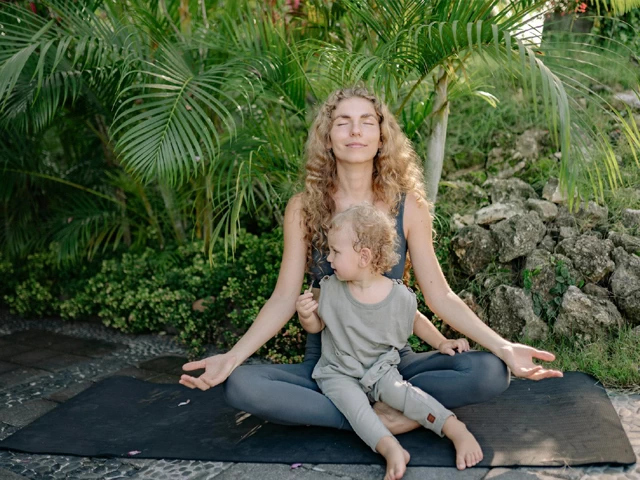
Full body happy relaxed mother sitting with eyes closed in lotus pose with cute boy on laps while practicing yoga in tropical green park Mindfulness

The Science Behind Mindfulness

Scientific studies back up the positive effects of mindfulness on mental health and parenting. Research indicates that practicing mindfulness helps reduce anxiety and depression. It increases self-awareness and emotional responses, providing a stable environment for both parents and children. According to an article on Mindful.org, even a few minutes of mindful meditation can make a difference.

Mindfulness vs. Multitasking

Many parents believe that multitasking is essential. But often, it spreads attention thin, leading to stress and less productivity. Mindfulness encourages doing one thing at a time with full presence, enhancing not just parenting activities but personal well-being. For instance, savoring a brief walk with your child without distractions can be more rewarding and relaxing than it may seem. Learn more about the negative impact of multitasking at New Harbinger.


Practical Mindfulness Techniques for Busy Parents

Mindful Mornings

Start your day with intention. Incorporating simple stretches or savoring a quiet cup of coffee can set a mindful tone. A gratitude practice, even a quick mental note of what you’re grateful for, can change your outlook for the rest of the day. Check out ChildMind Institute for more morning inspiration.

Mindful Moments Throughout the Day

Look for small opportunities to practice mindfulness during your day. It could be as simple as taking a few deep breaths before responding to a child’s question or turning off the radio to focus solely on driving. This guide by Headspace highlights the importance of pausing and being present during routine activities.

Mindful Parenting Practices

Engage in activities with your children with full presence. Put aside your phone during playtime and really listen during conversations. This approach helps build a stronger connection with your kids. Discover effective practices at Verywell Mind.


Overcoming Challenges to Mindfulness

Making Time for Mindfulness

Making time for mindfulness requires intention and practice. Even in a packed schedule, you can find small pockets of time. Setting daily intentions and prioritizing self-care ensures you stay committed to your mindfulness journey. Huckleberry offers useful tips on integrating mindfulness without disrupting your schedule.

Creating a Mindfulness-Rich Environment

Creating an environment that promotes mindfulness can be quite simple. Declutter spaces to reduce stress and ensure that your home visually supports a tranquil atmosphere. Dedicate small corners of your home to calm activities like reading or meditation. Try the strategies shared on Numinus to maintain a peaceful home.


FAQs

What if I don’t have time for mindfulness practices?

Start small. Even a minute or two of focused breathing can make a big difference. Consistency is key, not duration.

How do I teach my kids mindfulness?

Lead by example. Engage in mindful activities together, discuss emotions openly, and encourage presence during daily routines.

Is mindful parenting always peaceful?

Not always. Mindfulness is about awareness and presence, not forcing peace. It can lead to more authentic interactions, even during conflict.

Conclusion

In a whirlwind of responsibilities, mindfulness acts as an anchor for busy parents. It’s not about achieving peace or perfection but about bringing awareness into each moment. By integrating mindfulness into the chaos of parenting, parents can enhance their well-being while building deep, lasting connections with their families. Embrace mindfulness, and let it transform the dance of daily chaos into a harmonious symphony of presence and connection. Through resources from Zero to Three, take the first step towards a mindful parenting journey today.

Facial Massage Techniques: Boost Circulation and Reduce Tension with Simple Hand Movements

Facial massage provides a unique blend of relaxation and rejuvenation. They can significantly improve circulation and diminish tension, all through simple hand movements you can perform at home. These techniques aren’t just for luxurious spa days; they’re accessible to everyone and boast numerous benefits.

Understanding Facial Massage

Facial massage is a therapeutic technique that involves applying gentle pressure to the face using hands, rollers, or tools like Gua Sha. It serves multiple purposes such as relaxation, tension relief, and enhanced skincare. By integrating facial massages into your routine, you can elevate your self-care to a whole new level. Facial massages improve the skin’s health by increasing blood flow, boosting the lymphatic system, and helping with product absorption.


Benefits of Facial Massage

Facial massages are more than just a treat; they offer several tangible benefits that contribute to both physical and mental well-being.

Improved Circulation

Facial massage encourages increased blood flow, which is essential for skin health. More circulation means more nutrients and oxygen reach your skin cells, resulting in a radiant complexion. Proper circulation is crucial for maintaining skin elasticity and achieving that youthful glow.

Stress Relief

Ever notice how stress seems to settle in the muscles of your face? Facial massage can unwind this tension, allowing your facial muscles to relax. Gentle stroking and pressure reduce stress hormones, leading to a more relaxed mind and body.

Anti-Aging Effects

Regular facial massages contribute to anti-aging by delaying fine lines and wrinkles. They stimulate collagen production, which improves skin elasticity. Over time, this keeps your skin looking firm and youthful.

Popular Facial Massage Techniques

Are you looking to try a facial massage? Here are some popular techniques to consider:

Gua Sha


Regular facial massages contribute to anti-aging

Gua Sha is a traditional Chinese technique involving a flat stone used to scrape the skin gently. This action promotes blood flow and relieves tension in the facial muscles. A Gua Sha session can leave the skin feeling refreshed and invigorated.

Lymphatic Drainage Massage

This technique targets the lymph nodes to boost the body’s natural detoxification process. Carefully massaging in the direction of the lymphatic fluid flow helps reduce puffiness and enhance detoxification, making your skin appear clearer and healthier.

Tapping Technique

The tapping method involves using quick, light tapping motions to improve circulation. This technique is especially effective under the eyes to reduce dark circles and puffiness. It’s similar to drumming your fingers lightly across the surface of water—gentle yet effective.


How to Perform Facial Massage at Home

Here’s a simple guide to help you incorporate facial massages into your routine at home:

Preparation

Begin by cleansing your face to remove dirt and makeup. Apply a gentle moisturizer or facial oil, which provides a good amount of slip for the massage process.

Basic Techniques

Use basic hand movements like circular motions for cheeks and chin, lifting strokes from jaw to ears, and gentle pinching for the jawline. These movements promote blood flow and help detoxify, leaving your skin healthy and glowing.

For detailed steps, you can refer to this step-by-step guide.


Precautions and Considerations

While facial massage is generally safe, there are some precautions:

Skin Sensitivity

Be mindful of your skin type. If you have sensitive skin or conditions like acne or rosacea, it’s wise to proceed with caution. Always test any new oils or creams on a small patch before massage.

Consulting Professionals

For personalized guidance, consider consulting a skincare professional. They can offer tailored techniques that suit your skin type, ensuring you reap all the benefits without any drawbacks.


FAQs

Can facial massages help with acne?

While facial massages improve circulation, which may help, it’s crucial to be cautious if you have acne. Avoid vigorous movements that might exacerbate the condition.

How often should I perform a facial massage?

For best results, try incorporating facial massage into your routine 2-3 times a week.

Can I use any type of oil for a facial massage?

Opt for non-comedogenic oils like jojoba, grapeseed, or rosehip to avoid clogging pores.

Conclusion

Facial massage is a simple yet effective way to boost your skincare routine. Whether it’s enhancing circulation, reducing stress, or tapping into anti-aging benefits, these techniques offer a myriad of advantages. By including facial massages in your regular routine, you enhance your well-being and embrace a more radiant you. Why not start today and feel the transformative effects for yourself?

Top 5 Tips for Capturing Movement in Fashion Sketches

Capturing movement in fashion sketches is vital for breathing life into your illustrations. It enhances the overall storytelling of your designs, connecting the viewer to the dynamic spirit of fashion. Whether you’re sketching the sweep of a gown on a breezy day or the stride of a model, these movements add depth and vibrancy to your work.

Understanding Movement in Fashion Sketches

Movement in fashion sketches isn’t just about illustrating a walking figure. It’s about infusing your creations with a sense of fluidity and action that transforms a static image into a lively portrayal of style.

The Importance of Dynamic Poses

Dynamic poses are the heart of expressive sketches. They bring energy and realism, making your illustrations more relatable and exciting. When a figure leaps off the page, it engages the viewer, creating an emotional connection with the design. A great resource for understanding this art is this article on creating dynamic poses and movement.

The Role of Fabric and Flow

Fabric isn’t just a flat surface; it’s a living part of the sketch. Portraying the movement of fabric captures the intricacies of fashion design. Consider how different materials interact with air and movement – they drape, twist, and swish with the body, adding layers of texture and complexity. For more insights on fabric depiction, explore how to finesse your fashion illustrations.

Techniques for Capturing Movement

There are several techniques an illustrator can employ to effectively capture movement in their sketches. Let’s explore some of them.

Using Gesture Lines

Gesture lines convey movement and direction, transforming simple outlines into vibrant scenes. They guide the viewer’s eye throughout the sketch, suggesting the energy and flow of motion. This step-by-step guide on gesture lines offers a comprehensive look at this technique.

Incorporating Asymmetry

Asymmetry is a powerful tool in creating action and flow. Asymmetrical designs break the monotony, suggesting dynamism and imbalance, which are natural parts of movement. The idea is to create tension and interest, drawing the viewer into what seems like an ongoing moment. Fashion Illustration Tribe provides valuable insights into asymmetry’s role in movement depiction.

Mastering Anatomy and Proportions

Understanding human anatomy is fundamental for capturing movement authentically. Knowing how muscles work and how limbs bend allows for more accurate illustrations. Proportionally correct figures move naturally, enhancing the realism and fluidity of your sketches.

Young female with curly hair leaning head on sofa lying on floor among fashion sketches with rolled paper and magazines with decor

Practical Tips for Sketching Movement

Practicality meets creativity in these tips, perfect for artists aiming to hone their skills in capturing movement.

Practice with Live Models

Live models provide real-time examples of movement. They help artists understand how the body can contort and flow. Regular practice with live models sharpens observation skills and improves your ability to capture nuance and detail. Check out this Reddit discussion on drawing moving subjects for community tips.

Experimenting with Different Angles

Changing angles can dramatically affect the perception of movement. Sketching from various viewpoints can challenge perspective and enhance a sketch’s dynamic quality. Questions like “What if the figure were seen from above?” can lead to unexpected and thrilling results.

Utilizing Reference Photos

Reference photos are invaluable for studying movement. They allow artists to pause, examine, and understand positions and gestures, helping translate motion into two-dimensional sketches. Learn more about using photos as references here.

FAQs

Why is capturing movement in fashion sketches important?
Capturing movement conveys the essence and emotion of a design, connecting the viewer with the fashion’s story.

What tools can help in illustrating movement?
Gesture lines, understanding of anatomy, asymmetrical designs, and reference photos are key tools for illustrating movement.

How can I improve my skills in capturing movement?
Regular practice with live models, experimentation with different angles, and studying reference photos can enhance your skills over time.

Conclusion

Capturing movement in fashion sketches isn’t merely a technique—it’s an art form that adds soul and excitement to your designs. By mastering gesture lines, embracing asymmetry, and understanding anatomy, you breathe life and movement into your work. As you practice these techniques, your sketches will become more dynamic, engaging, and inspiring. Now, grab your sketchbook and start capturing the world of fashion in motion!