Friday, May 1, 2026
Home Blog Page 14

Upcycling: Transforming Old Clothes into Trendy Outfits

In an age where fashion trends change as swiftly as a heartbeat, the fashion world is awakening to the importance of sustainability. Enter upcycling—a practice that takes a wrecking ball to the traditional “throwaway culture.” transforms old, forgotten clothes into trendy, cherished outfits. This creative approach not only breathes new life into your wardrobe but also plays a crucial role in reducing fashion’s environmental footprint.


Understanding Upcycling

Understanding Upcycling

Upcycling is the art of taking old materials and crafting them into something entirely new and fabulous. Unlike recycling, which often breaks materials down, upcycling elevates them to higher-value products. In the fast fashion industry—often villainized for its environmental impacts—upcycling is a beacon of hope, offering a solution to scale down waste and overconsumption.

The environmental benefits of upcycling are manifold. By preserving resources and diminishing waste, it serves as a silent protest against the prevailing norms of the fashion industry.


The Benefits of Upcycling Old Clothes

its just a trend; it’s a lifestyle choice with tangible benefits.

  • Reducing Waste: By repurposing rather than discarding, we significantly reduce textile waste.
  • Saving Money: Instead of splurging on new clothes, upcycling lets you wear your creativity without burning a hole in your pocket.
  • Fostering Creativity: Unleash your imagination! Creating unique clothing allows you to express your style like never before.

For more insights on the sustainable benefits of upcycling, a closer look will offer enlightenment.


Creative Ideas for Upcycling

Transforming T-shirts into Fashionable Tops

Old T-shirts can become your palette. With some precision cuts and inventive ties, you can morph a mundane tee into a chic crop top or a stylish off-shoulder piece. Adding sequins, buttons, or embroidery can infuse personality into your creations.

Reimagining Jeans into Stylish Accessories

Denim has long been a fashion staple. Don’t let those old pairs collect dust! Consider converting jeans into trendy bags or funky patches for jackets. Even new denim apparel can be born from remnants of another life, merging functionality with avant-garde design.

Creating Unique Dresses from Larger Garments

Ever looked at an oversized shirt and seen a beautiful dress? A few strategic cuts and stitches could turn that potential into reality. Tailoring larger garments into elegant dresses is not only feasible but a statement of style and innovation.


Tools and Materials Needed for Upcycling

Before embarking on your creative journey, have these essentials on hand:

  • Sewing Kit: Needles, thread, and a trusty sewing machine will be your best friends.
  • Fabric Glue: Perfect for those who aren’t keen on sewing.
  • Crafting Supplies: Scissors, pins, and embellishments help bring your vision to life.

Basic Sewing Skills for Beginners

Fancy sewing but feeling intimidated? Start small. Master basic techniques such as stitching, hemming, and fabric cutting. These skills are the backbone of most upcycling projects, simplifying complex tasks, and expanding your creative horizons.


Showcasing Your Upcycled Creations

Once you’ve created something you’re proud of, share it with the world:

  • Social Media: Platforms like Instagram and Pinterest are ideal for flaunting your fashion-forward designs.
  • Local Events: Craft fairs and fashion shows can be excellent venues to inspire and connect with like-minded individuals.

Building an Upcycled Fashion Community

Engagement doesn’t stop with sharing. Connect with others who share your passion. Online platforms and local groups can help you build a community where ideas and creativity flow freely. A supportive network is invaluable in nurturing your upcycling journey.


FAQs

  1. What is upcycling?
    Upcycling is transforming old materials into new and higher-value items.
  2. Is upcycling cost-effective?
    Yes, it often saves money by repurposing what you already own.
  3. What are the environmental impacts?
    It reduces waste, preserves resources, and curtails the need for new materials.

Conclusion

As we stand on the precipice of change, emerges as a chandelier illuminating a path to personal style and planetary health. It’s more than a fashion statement—it’s a movement. So what’s stopping you? Grab those old clothes, let your creativity flow, and watch as you transform not just outfits, but attitudes, one stitch at a time.


By embracing upcycling, you’re not only crafting unique looks but also partaking in a movement that’s reshaping the very future of fashion.


Eco-Friendly Makeup Brushes: What to Look For

In a world where sustainability is gaining momentum, eco-friendly makeup brushes are quickly becoming a staple in the beauty industry. These brushes not only offer high-quality applications but also play an essential role in promoting environmental responsibility. If you’re keen on making more conscious decisions in your beauty regimen, understanding what makes a makeup brush eco-friendly is a great first step.

Understanding Eco-Friendly Makeup Brushes

Eco-friendly makeup brushes are designed with sustainability at their core. They are crafted using materials and methods that minimize harm to the environment, unlike conventional brushes that are often made with synthetic fibers and plastic. By choosing eco-friendly brushes, you’re not only enhancing your makeup game but also significantly reducing your environmental impact. Discover eco-friendly brushes designed for better sustainability.

Materials Used

One of the hallmarks of eco-friendly brushes is the use of sustainable materials. Bamboo is a popular choice due to its rapid growth and natural renewability. Brushes may also feature handles made from recycled plastics or plant-based fibers, ensuring that a smaller carbon footprint is left behind. These materials can easily replace traditional woods picked from non-sustainable sources.

Sustainable Manufacturing Processes

The process by which these brushes are made is just as crucial as the materials used. Sustainable production methods focus on minimizing energy usage and waste. Ethical sourcing of materials ensures fair trade practices, promoting a more balanced ecosystem. Learn more about green cosmetics and sustainable beauty practices.


Key Features to Look For

Choosing eco-friendly makeup brushes involves more than just checking the materials list. There are several essential features that you should look for to ensure you’re truly making an eco-friendly choice.

Cruelty-Free and Vegan Options

The terms “cruelty-free” and “vegan” have become significant markers in the beauty industry. Brushes labeled as cruelty-free are not tested on animals, while vegan brushes are free from animal-derived materials. By opting for both, you’re supporting a more humane approach to beauty.

Durability and Longevity

Durability is a key factor in sustainability. High-quality brushes that last longer won’t need to be replaced as frequently, reducing waste. When evaluating a brush, assess the sturdiness of the handle and the quality of the bristles. This durability ensures that your initial investment goes a long way, echoing the true spirit of sustainability.

Packaging Considerations

Eco-friendly packaging can have a substantial impact. Look for brushes packaged in recycled or biodegradable materials. The reduction of plastic packaging is not only beneficial for the environment but also aligns with your eco-friendly intentions. Products from Zero Waste Store often emphasize such sustainable efforts.

Eco-friendly makeup brushes

Top Eco-Friendly Makeup Brush Brands

Several brands have dedicated themselves to creating eco-friendly makeup brushes that don’t compromise on quality or performance.

Brand Comparisons

EcoTools: Known for their renewable bamboo handles and soft synthetic brush hair, EcoTools offers affordable eco-friendly makeup solutions.

Honeybee Gardens offers a professional cosmetic brush set made from sustainable bamboo and cruelty-free taklon bristles. Their commitment to sustainability is evident in both the product and their manufacturing practices.

When comparing brands, consider both the features they offer and the prices associated with them.

Customer Reviews and Ratings

Customer feedback is invaluable when choosing eco-friendly brushes. Many users praise brands like EcoTools for their performance and environmental consciousness. Ratings often highlight key features such as durability and the softness of the bristles. Reading reviews can provide insights into the real-world application and satisfaction of these brushes.


FAQs

Q: Are bamboo brushes better for the environment?

A: Yes, bamboo is a highly renewable resource that grows quickly and requires less water compared to traditional wood.

Q: Do eco-friendly brushes cost more?

A: While there may be a slight premium, the long-term sustainability and quality often justify the price.

Q: How do I know if a makeup brush is vegan?

A: Look for labels that clearly state “vegan” or check for synthetic bristles made without animal by-products.

Conclusion

Transitioning to eco-friendly makeup brushes is a wise choice for beauty enthusiasts and environmental advocates. By paying attention to materials, production processes, and key features, you can enhance your beauty routine while also playing a part in preserving our planet. Your choice matters—embrace sustainable beauty and make it a cornerstone of your daily regimen.

Zero-Waste Beauty Routine: How to Make the Most of Every Product

In our fast-paced consumer-driven society, it’s easy to overlook the environmental impact of our everyday choices, including those products we use to look and feel our best. Yet adopting a zero-waste beauty routine is a powerful way to contribute positively to the environment without compromising personal care. Imagine a world where your skincare items leave no trace, much like footprints washed away by the tides. That’s the magic of zero-waste beauty.

Understanding Zero-Waste Beauty

Understanding Zero-Waste Beauty

The Benefits of Going Zero-Waste

Embracing a zero-waste beauty routine isn’t just about being kind to the earth—it’s about enriching your life. Environmentally, you significantly reduce plastic pollution, curbing the amount of waste that clutters our oceans and landscapes. On the health front, zero-waste products typically contain fewer harmful chemicals, meaning you can pamper your skin more naturally. Plus, there’s the financial benefit of saving money by investing in quality, multi-use items that last longer. Read more about zero-waste beauty benefits.

Key Principles of Zero-Waste Beauty

The philosophy of zero-waste beauty revolves around the five Rs: Refuse, Reduce, Reuse, Recycle, and Rot. Refuse unnecessary packaging and products, reduce consumption, reuse what’s possible, recycle containers, and compost organic materials when applicable. This approach mirrors a harmonious dance with nature, bringing us closer to a circular life cycle.


Creating Your Zero-Waste Beauty Routine

Assessing Your Current Products

Begin your journey by taking stock of your current beauty stash. Ask yourself: Is each product essential? Can any packaging be recycled or repurposed? If not, you’re ready for change. Check out guides on low-waste skincare to learn how others have transformed their routines.

Choosing Sustainable Alternatives

Seek brands that prioritize sustainability, offering products with refillable containers or biodegradable packaging. Brands focused on these principles often provide solutions that align beauty with environmental stewardship. Zero-waste brands are paving the way for an environmentally friendly future.

Multi-purpose Products

Opt for beauty products that serve more than one function. Think of using one item as both a lip tint and a blush or employing simple oils for both skincare and hair care. These choices echo the concept of doing more with less, amplifying your efforts toward sustainability.


DIY Zero-Waste Beauty Solutions

Natural Ingredients from Your Kitchen

The treasures hidden in your kitchen can rival high-end beauty products. Coconut oil for moisturizing, oatmeal for soothing skin, and sugar for exfoliation—these gems are as effective as they are close at hand. Discover the simplicity and power of ingredients you already own.

Easy DIY Recipes

Crafting DIY beauty products can be as delightful as baking your favorite cookies. Simple recipes like honey and oatmeal face masks or olive oil and sugar scrubs can revitalize your routine without leaving wasteful remnants. These creations remind us that beauty can be uncomplicated and value-driven.

Tips for Maintaining Your Zero-Waste Routine

Shopping Mindfully

When purchasing beauty products, opt for quality over quantity. Focus on buying fewer items with better ingredients. It’s a mindful shift that mirrors the idea of a curated art collection rather than a cluttered gallery. Consider insights on zero-waste beauty practices.

Upcycling Beauty Containers

Give new purpose to old containers by transforming them into planters or storage solutions. Upcycling is like turning yesterday’s sunset into today’s masterpiece—a bold, creative step in reducing waste.


FAQs

  • What is a zero-waste beauty routine? It’s a sustainable approach to personal care emphasizing reduced waste and eco-friendly products.
  • How can I start a zero-waste beauty routine? Assess current products, choose sustainable alternatives, and integrate multi-purpose and DIY solutions.
  • Can zero-waste products be effective? Absolutely! Many sustainable products employ high-quality natural ingredients that benefit both your health and the environment.

Conclusion

Switching to a zero-waste beauty routine is more than a personal choice; it’s a pledge to protect our planet while embracing authentic self-care. Each small step you take has the potential to ripple into meaningful change. Why not begin today? Embrace the beauty of a zero-waste lifestyle and become a steward of nature’s grace.

Clean Eating on a Budget: Meal Planning Tips to Save Money

Clean eating isn’t just a trend; it’s a lifestyle choice that emphasizes consuming whole, natural foods like fruits, vegetables, and grains while minimizing processed foods. But many believe it naturally comes with an extravagant price tag. The secret, however, is in the planning. With a sprinkle of creativity, a little time investment, and a strategic approach, you can enjoy delicious, healthy meals without breaking the bank.

Understanding Clean Eating

Clean eating isn’t about strict dieting or deprivation; it’s about revitalizing your relationship with food, making choices that support your health, and enjoying what you eat.

What is Clean Eating?

Clean eating involves choosing foods in their most natural state. Think fresh fruits and vegetables, whole grains, lean proteins, and healthy fats. The focus is on simplicity, quality, and a rainbow of colorful foods. Processed foods, characterized by long ingredient lists and high sodium or sugar content, are generally avoided. Find eating plans focused on fresh and healthy recipes here.

What is Clean Eating?

Benefits of Clean Eating

Clean eating has tons of perks. It naturally boosts energy, aids in weight management, and lowers the risk of chronic illnesses. With its emphasis on nutrient-rich foods, it becomes a cornerstone for a healthier life, aligning your meals with your body’s needs.

Meal Planning Essentials for Budget-Friendly Clean Eating

Meal planning is the compass guiding your journey to clean eating. It keeps you on track, curbs unnecessary spending, and reassures you that there’s always a healthy meal waiting.

Setting a Weekly Meal Schedule

Begin with a simple weekly meal schedule covering breakfast, lunch, dinner, and snacks. Planning not only organizes your shopping but prevents the mid-week “What do I make for dinner?” scramble. A great starting point is this detailed guide on managing a clean eating plan affordably.

Creating a Shopping List

Your list should be your new best friend. List ingredients based on your meal plan. This isn’t just about sticking to a list—it’s about dodging those spur-of-the-moment purchases that could cost you dearly.


Cost-Saving Tips for Clean Eating

While clean eating on a budget might seem paradoxical, these tips can help you stay within budget while nourishing your body.

Buying in Bulk

Embrace buying bulk items like whole grains, legumes, and nuts. Bulking up provides value over time, reducing the cost per unit and ensuring you always have staples on hand for those spontaneous cooking adventures.

Utilizing Seasonal Produce

Fruit and vegetables are cheaper and tastier when in season. Visit farmers’ markets, which often offer locally grown produce at competitive prices, and use this seasonal produce guide to choose wisely.

Meal Prepping for the Week

Meal prepping is a game of chess; it’s all about thinking a few moves ahead. By preparing meals in advance, you’ll save time, minimize waste, and avoid splurging on convenience foods.


Affordable Clean Eating Recipes

Cooking at home can be both cost-effective and satisfying, letting you serve meals that are kind to your wallet and waistline.

Healthy Breakfast Ideas

Kickstart your day with affordable options like overnight oats, smoothie bowls filled with frozen fruits, or simple scrambled eggs with spinach.

Budget-Friendly Lunch and Dinner Recipes

Embrace hearty, low-cost recipes such as vegetable soups, stir-fries, and wholesome salads. These meals are packed with nutrients and easy on your budget.


FAQs

Can clean eating really be affordable?

Absolutely! It takes mindful planning and shopping, but with budget-friendly recipes and bulk buying, clean eating can fit any budget.

Is organic necessary for clean eating?

Not necessarily. While organic options can offer health benefits, the goal is to focus on unprocessed, natural foods. Whether organic or not, they’re both viable options based on personal preferences.

Conclusion

With a bit of planning and smart shopping, clean eating on a budget is more than just a possibility—it’s a delicious reality. Remember, it’s not just about the foods you choose but how you plan and prepare them. Whether you’re flipping pancakes with whole grains or stirring up a vibrant vegetable curry, your healthy, budget-friendly meals are proof that eating clean can be both sustaining and economical.

For more detailed meal plans and strategies, visit the EatingWell budget meal guide.

Parenting with Mental Health in Mind: Building Resilience in Kids

In today’s fast-paced environment, parenting with a focus on mental health is more crucial than ever. It’s about nurturing a child’s ability to withstand adversity, adapt to change, and thrive amidst challenges. By doing so, we lay the groundwork for building resilience in children—a trait that can create lifelong confidence and well-being. Let’s explore how you can make a concrete difference in your child’s life.

Understanding Resilience in Children

Understanding Resilience in Children

What is Resilience?

Resilience is more than mere grit; it’s the inner strength that drives the ability to bounce back from setbacks. Children who possess resilience can navigate through life’s bumps with a stronger mindset. Resilience enables children to recover from difficulties, adapt to new situations, and continue moving forward even when things don’t go as planned.

Why Resilience Matters

The benefits of resilience are monumental, stretching well into adulthood. Children who develop resilience experience better mental health, perform academically and foster healthy relationships. This guide for parents showcases how a resilient child often grows into a successful and satisfied adult.


Strategies for Building Resilience

Building resilience in children doesn’t require monumental changes; sometimes small, everyday actions speak volumes.

Promoting Emotional Awareness

Begin by fostering an environment where emotions aren’t bottled up but freely expressed. Encourage kids to identify what they’re feeling and help them articulate it. This tactic not only boosts their emotional intelligence but also prepares them for the real challenges of life.

Encouraging Problem-Solving Skills

Why solve their problems when you can equip them with the tools to tackle challenges on their own? Guide them through hurdles by supporting their decision-making process, allowing them to weigh options and consider consequences. This active involvement builds a framework for robust problem-solving skills.

Fostering Strong Relationships

Children thrive on connections, whether with caregivers, peers, or community members. These bonds provide a network of support that can be a key factor in resilience. Encourage playdates, family gatherings, and community involvement to nourish these ties.


The Role of Parenting Styles

Your approach to parenting directly influences how resilient is cultivated in a child.

Authoritative Parenting

Authoritative parenting, characterized by warmth, support, and boundaries, fosters resilient through structured freedom. By setting clear expectations while remaining supportive, you’re equipping your child to face life’s unpredictabilities with confidence and calm.

The Impact of Neglectful Parenting

In contrast, neglectful parenting, where emotional and physical guidance is lacking, can stifle resilient. A child’s ability to bounce back from stress might diminish without consistent warmth and attention—a scenario every parent would want to avoid.


Supporting Mental Health at Home

Creating a mentally healthy environment at home can be your child’s sanctuary from the stressors outside.

Establishing Routines

Predictability provides safety. Consistent routines offer children a sense of stability, decreasing anxiety and uncertainty. Just like a well-oiled machine, a child functions best within the safety net of familiar habits.

Practicing Positive Reinforcement

Positive reinforcement isn’t just about rewards; it’s about affirming their worth and boosting confidence. Celebrate achievements, no matter how small, and help your child build self-esteem that lasts a lifetime.


FAQs

  • How can I tell if my child is resilient?
    Look for signs of flexibility, perseverance in the face of setbacks, and the ability to manage emotions with a sense of calm.
  • Can resilience be taught, or is it innate?
    It can be taught and nurtured. Though some children may have an inherent ability, helping them through life’s ups and downs can significantly enhance their resilience.

Conclusion

Parenting with mental health in mind isn’t just a style; it’s a commitment to nurturing the well-being of your child. By focusing on resilient, we empower our children to grow into robust, self-assured adults. Remember, it’s the small, consistent actions that plant the seeds of resilient—leading to a harvest of lifelong strength and stability.

Meal Prepping for Weight loss: Seven days of Quality Meals in Two Hours

Meal Prepping can feel like an enchanted wand with regards to keeping up with smart dieting propensities while pursuing Weight loss objectives. Envision saving time, chopping down pressure during your bustling week, and guaranteeing nutritious Meals are generally available. Who wouldn’t need that in our current reality where time is scant and well-being is valuable?


Understanding Meal Prepping

Dinner preparation is the most common way of arranging and planning dinners somewhat early. Everything really revolves around the proficiency of cooking various servings on the double and putting away them for future Meals. As indicated by Healthline Healthline, dinner preparation can save you time, further develop diet quality, and help with Weight loss by considering better piece control.

Advantages of Dinner Preparing for Weight Loss

The benefits of dinner preparation stretch past comfort. It considers better part control, which is fundamental while making progress toward Weight loss. Furthermore, dinner preparation can decrease food squandering by using all of your staple things actually. Regular Wellbeing Everyday Health features that organized dinner arranging is related to lower chances of heftiness.

Besides, dinner preparation is an extraordinary cash-saving tip. You will not be spending on the latest possible moment takeouts or inefficient food. As per Clinical News Today Medical News Today, utilizing chosen cooking techniques that don’t add additional calories likewise makes your dinner prep more powerful for Weight loss.

Advantages of Meal Preparing for Weight loss

Normal Missteps to Stay Away from

With regards to dinner preparation, amateurs frequently fall into a few normal snares. Try not to make the Meals excessively intricate; effortlessness is your companion. Another trap isn’t arranging as expected, prompting incautious and undesirable food decisions during the week. Try to keep away from these by having a reasonable arrangement set up and adhering to it.


Planning Your Meal Prep

A viable dinner prep begins with a strong arrangement. In the first place, select recipes that line up with your Weight loss objectives. Go for the gold in lean proteins, entire grains, and a lot of vegetables.

Choosing Healthy Recipes

Are you feeling stuck on recipe thoughts? Locales like Skinnytaste Skinnytaste offer a wealth of good dinner prep recipes—that center around adjusting macronutrients in your dinners to address wholesome issues while keeping them delectable and fulfilling.

Grocery Shopping Tips

To make shopping for food effective, make a rundown in light of your picked recipes. Adhere to the border of the supermarket where new produce and proteins are normally positioned. Think about purchasing in mass, particularly for staple things, to diminish costs and guarantee you’re completely supplied.


Two-Hour Meal Prep Routine

The secret to a quick dinner prep is association and the right instruments. Cut out an evening, set a clock, and take care of business productively.

Step-by-Step Meal Prep Schedule

  1. First 15 Minutes: Wash and chop all vegetables.
  2. Next 30 Minutes: Cook proteins in batches (grill, bake, or sauté).
  3. Following 15 Minutes: Prepare grains or pasta.
  4. Final Hour: Assemble your meals in containers. Cool before refrigerating.

Essential Tools and Containers

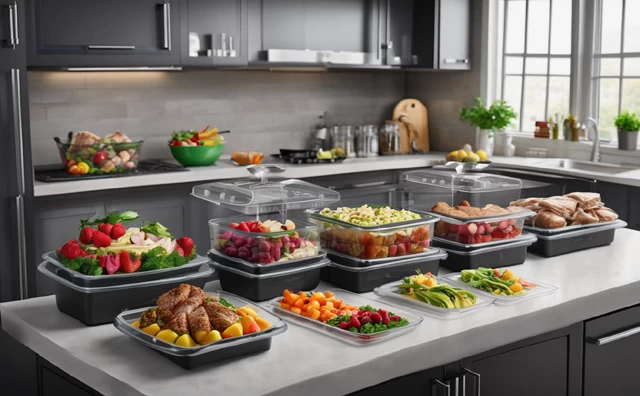
A few essential tools can make meal prepping a breeze, like a good set of storage containers to keep food fresh, a sharp knife, and a sturdy cutting board. Invest in these items to make meal prepping an easier routine.


Sample Weekly Meal Plan

Here’s a sample plan to get you started:

Breakfast Ideas

  • Overnight Oats with fruit and nuts.
  • Egg Muffins with spinach and cheese.

Lunch and Dinner Recipes

  • Grilled Chicken with Quinoa and Veggies
  • Turkey Chili with kidney beans and bell peppers.

These recipes are nutrient-dense and can be found on sites like Love and Lemons.

Snacks and Treats

  • Greek Yogurt with Berries
  • Almond Trail Mix


FAQs

  • How long do meal-prepped meals last? Typically, prepared meals can last for 3-5 days in the refrigerator.
  • What if I don’t have time to prep everything at once? Try cooking elements like grains or proteins in advance, then assemble the meals as needed.

Conclusion

Dinner preparation is something other than a pattern; it’s a useful method for keeping your eating routine on target and meeting your Weight loss objectives without consistent problems. Why pause? Begin preparing dinner today and appreciate better, tranquil Meals consistently.

By money management only two hours per week, you’ll find dinner prep is a little change with an immense effect on your well-being process.

High-Protein Diet Plan: Shed Pounds Without Losing Muscle

In the fast track of losing weight without losing muscle, the high-protein diet has become a popular option. It’s not just another fad; the high-protein diet promises the holy grail of weight loss goals: shedding pounds while keeping muscle intact. By filling up on protein-rich foods, you’ll feel fuller, burn more calories, and keep your muscles strong. With this diet plan, you’re not just trimming fat; you’re building a stronger you.

High-Protein Diet Plan

What is a High-Protein Diet?

A high-protein diet focuses on increasing the intake of foods that are rich in protein, often at the expense of carbohydrates and fats. The core principle is simple: prioritize protein-packed meals. This dietary approach is associated with benefits like increased satiety and metabolism boosts. Lean meats, fish, eggs, and plant-based proteins become the centerpiece of your meals.

Benefits of a High-Protein Diet

Why go high-protein? Let’s break down the benefits:

  • Increased Satiety: Protein keeps you fuller longer, reducing the temptation to snack recklessly. It’s the body’s natural appetite suppressant.
  • Muscle Preservation: While you might lose weight, muscle is preserved. Protein supports lean muscle mass, crucial for maintaining strength and endurance.
  • Metabolic Benefits: A diet rich in protein can rev up your metabolism, making your body a fat-burning machine.

How Much Protein Do You Need?

Getting the right amount of protein is key to optimizing your diet. But how much is enough?

Experts recommend getting between 0.7 to 1 gram per pound of body weight daily, tailored according to activity level and weight-loss goals. So, if you’re 150 pounds, aim for at least 105 grams daily. For more precise information, check out this guide.


Creating Your High-Protein Meal Plan

Crafting a high-protein meal plan doesn’t mean bland and repetitive meals. It’s about variety and balance that fuel weight loss and muscle retention.

Foods to Include

Here’s a cheat sheet for protein-rich foods:

  • Lean meats: Chicken, turkey, and lean beef
  • Fish: Salmon, trout, and other omega-rich fish
  • Eggs: A versatile favorite; try them boiled or scrambled
  • Dairy: Greek yogurt, cottage cheese, and milk
  • Plant-based: Lentils, chickpeas, tofu, and tempeh

These staples ensure you’re stocked for low-calorie, muscle-friendly meals.

Meal Ideas and Recipes

Variety keeps your diet interesting. Here’s some inspiration:

  1. Breakfast: Scrambled eggs with spinach and a side of smoked salmon.
  2. Lunch: Grilled chicken salad with chickpeas and avocado.
  3. Dinner: Baked cod with a side of lentils and asparagus.

For planning, this meal prep plan can help streamline your week.


Exercise and Muscle Preservation

A high-protein diet thrives best when coupled with exercise. This combination ensures that your weight loss won’t mean muscle loss.

The Importance of Resistance Training

Resistance training is like a personal trainer for your muscles, helping them grow and maintain. It strengthens bones, reduces fat, and supports joint health. Regular resistance training is backed by science to enhance strength and function.

Combining Cardio and Strength Training

Variety in your workout plan maximizes results. Cardio and weightlifting aren’t adversaries; they’re partners. Mixing cardio with strength training can enhance weight loss while ensuring muscle retention. For more on integrating these workouts, this article provides practical insights.

Common Mistakes to Avoid

As you embark on your high-protein journey, it’s easy to misstep. Here’s how to stay on track.

Overemphasizing Protein Sources

Yes, protein is king, but don’t dismiss other nutrients. Carbs and fats remain essential for overall health. A balanced diet, including fruits and vegetables, ensures a range of vitamins and minerals.

Ignoring Nutrient Timing

Eating all your protein at once won’t cut it. Distribute protein intake throughout the day to aid muscle repair and growth while improving energy levels.


FAQs

How do I know if my diet is truly high in protein?
Track your meals, ensuring a significant portion of daily calories come from protein sources. Tools like MyFitnessPal can be useful.

Do I need protein supplements?
Whole foods should be the main source of protein, but supplements can fill gaps if needed.

Conclusion

Incorporating a high-protein diet into your weight loss plan doesn’t just slim your waistline; it builds a robust foundation for lasting health. Balancing dietary choices with exercise routines optimizes your results and keeps muscle intact. With delicious meal options and a commitment to strength training, shedding pounds without losing muscle is not just possible; it’s sustainable.

How to Use Citrus Fruits for a Brighter Complexion: Simple Tips

Citrus fruits are not just refreshing and delicious; they also hold the key to achieving a radiant, glowing complexion. Loaded with essential vitamins and antioxidants, citrus fruits can rejuvenate the skin and enhance its natural brightness. Let’s explore how you can use these vibrant fruits to boost your skin’s health.

Nutritional Benefits of Citrus Fruits

Citrus fruits are a powerhouse of nutrients that can transform your skin health. Each fruit has something unique to offer from the zesty lemon to the juicy orange.

Vitamin C and Its Importance

Vitamin C is the star of the show when it comes to fruits. It plays a vital role in boosting collagen production, which keeps your skin firm and youthful. According to Healthline, Vitamin C is a potent antioxidant that helps in repairing skin damage and minimizing fine lines, making it a must-have for skincare enthusiasts.

Antioxidants in Citrus

Besides Vitamin C, citrus fruits are rich in other antioxidants that protect your skin from environmental stressors like pollution and UV rays. These antioxidants help neutralize harmful free radicals, giving you a healthy glow.

Top Citrus Fruits for Skin Brightening

Top Citrus Fruits for Skin Brightening

Not all fruits are created equal. Here are the top fruits you should incorporate into your skincare routine for a brighter complexion.

Lemon

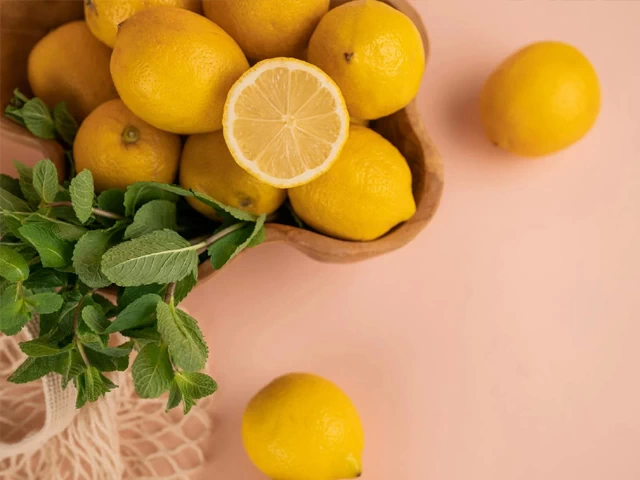
Lemon is known for its ability to lighten dark spots and even out skin tone. The citric acid in lemon acts as a natural bleach and exfoliant, gently removing dead skin cells.

Orange

Oranges are not only refreshing but also deeply hydrating. Their nutrients contribute to a smooth and supple skin texture, making them perfect for dry and dull skin.

Grapefruit

Grapefruit is a fantastic choice for reducing inflammation and tackling acne scars. Its natural acids gently cleanse and tighten the skin, promoting a clearer complexion.


DIY Citrus Face Masks and Scrubs

Creating your own face masks and scrubs with fruits is not only fun but also incredibly effective. Here are some simple recipes to try at home.

Lemon and Honey Mask

Combine the brightening power of lemon with the soothing properties of honey. Mix one tablespoon of lemon juice with two tablespoons of honey and apply to your face. Leave it on for 15 minutes and rinse with warm water. This mask will leave your skin feeling rejuvenated and glowing.

Orange Peel Scrub

Orange peels are rich in nutrients and can be transformed into an amazing exfoliating scrub. Dry the peels under the sun, grind them into a powder, and mix with yogurt to form a paste. Gently scrub your face with this mixture to remove dead skin cells and reveal a brighter complexion. You can explore more similar DIY recipes through Up and Alive.


Precautions When Using Citrus on Skin

As much as fruits offer incredible benefits, they must be used with caution. Here’s what you need to know to avoid any irritation.

Patch Testing

Always perform a patch test before applying any citrus product to your face. Apply a small amount on your forearm and wait 24 hours to check for any reactions.

Sun Sensitivity

 fruits can increase sun sensitivity, making your skin more prone to sunburns. Applying sunscreen daily, especially when using citrus treatments is essential.


FAQs

Can citrus fruits cause skin irritation?
Yes, if you have sensitive skin, the acidic nature of citrus fruits may irritate you. Always perform a patch test to ensure safety.

How often should I use citrus masks?
Using citrus-based masks once or twice a week is generally sufficient to see results without over-exfoliating the skin.

Conclusion

Incorporating fruits into your skincare routine can transform your complexion, making it brighter and more vibrant. From their rich Vitamin C content to their powerful antioxidants, these fruits offer an array of benefits. Just remember to use them wisely, perform patch tests, and always protect your skin from the sun. With these simple tips, achieving healthy and glowing skin is just a squeeze away!

Regional Differences in Fashion Designer Salaries: A Closer Look

Fashion Designer Salaries: In the vibrant world of fashion design, understanding the factors that determine income can shed light on your career path. Salary is often as colorful as the fabrics designers work with. Geography plays a significant role in how much a fashion designer might earn, impacting career choices and financial expectations. Let’s explore how regional differences shape the salary landscape for fashion designers across the United States.

Overview of Fashion Designer Salaries in the United States

The allure of fashion design as a career is undeniable, but how does one navigate the monetary potential? According to the Bureau of Labor Statistics, the national average salary for fashion designers sits comfortably at around $79,290 per year. However, salary ranges significantly, from entry-level positions to high-profile roles, with earnings ranging from approximately $37,090 to $107,260 annually. This broad spectrum reflects varied opportunities and expectations.


Regional Variations in Salaries

Top-Paying States for Fashion Designers

In the grand tapestry of fashion design salaries, certain states stand out as top contributors. Massachusetts and New Hampshire, for instance, pay fashion designers some of the highest salaries in the nation, with averages of $103,960 and $101,910, respectively. Washington also ranks high on the list, as discussed in US News.

Lowest-Paying Regions

On the flip side, regions such as Idaho and Kentucky offer lower salaries for fashion designers, often hovering around the $51,790 mark. The reasons behind these lower wage scales can be complex, often tied to local economic conditions and market demand.


Factors Influencing Salary Differences

Cost of Living Adjustments

The cost of living in various locations plays a pivotal role in determining salaries. For instance, the high living expenses in cities like New York necessitate higher wages, whereas more affordable areas may offer lower compensation packages. This balance ensures designers maintain a comparable standard of living despite regional differences.

Industry Demand and Competition

The local demand for fashion designers and the competitive nature of the market also greatly influence salary levels. In bustling fashion hubs where talent is plentiful, salaries can be more competitive. However, emerging markets might offer attractive compensation to lure talent. According to The Art Career Project, industry dynamics can create unique salary scenarios.

Experience and Education Levels

Experience and educational background are crucial in shaping a designer’s earning potential. Seasoned designers with a robust portfolio and specialized education often command higher salaries. Educational institutions still play a key role, although hands-on experience can sometimes outweigh academic credentials.

Case Studies: Fashion Capitals vs. Smaller Markets

Salary Insights from New York and Los Angeles

New York and Los Angeles are often at the heart of fashion innovation. Designers in these cities not only earn higher salaries but also gain access to unique opportunities that can propel their careers. From high-end runway shows to collaborations with renowned brands, the opportunities here are endless.

Fashion Designer Salaries

Emerging Markets and Their Salary Trends

In contrast, smaller cities and emerging markets are starting to make waves in the fashion scene. These areas provide a fertile ground for budding designers, where their contributions can directly influence market growth. This dynamic often results in a more community-driven and trend-setting atmosphere.

Career Explorer highlights how these regions, though offering lower initial salaries, can present growth potential that rivals even the most established fashion capitals.


FAQs

What are the key factors affecting fashion designer salaries?

Several factors come into play, including location, experience, industry demand, and education.

Do fashion designers earn more in metropolitan areas compared to rural regions?

Yes, metropolitan areas generally offer higher salaries due to increased demand, higher living costs, and more competitive markets.

Does the educational background significantly affect a designer’s salary?

While education can impact earnings, practical experience, creativity, and networking are often more influential.

Conclusion

The landscape of fashion designer salaries is as diverse as the industry itself. Regional awareness is crucial for aspiring designers, equipping them to navigate their careers with a clear understanding of how geography influences earning potential. Whether setting sights on bustling fashion capitals or discovering opportunities in emerging markets, understanding regional differences is key to making informed career choices.

How to Keep Your Favorite McDonald’s Meal Healthy: Insider Tips

McDonald’s has found its way into the hearts and stomachs of millions worldwide. With that golden “M” beckoning at every corner, it’s hard to resist the allure of a quick bite. But, what if you could indulge without guilt? Let’s explore how you can enjoy your favorite McDonald’s meal while maintaining a healthy lifestyle. Sure, here’s the continuation: Fortunately, there are insider tips to help you keep your favorite McDonald’s meal healthy. First, opt for grilled chicken instead of fried options to cut down on excess calories. Next, swap out sugary sodas for water or unsweetened tea to reduce your sugar intake. Lastly, be mindful of portion sizes and consider sharing a meal or ordering from the kid’s menu. By following these simple tricks, you can satisfy your McDonald’s cravings while staying on track with your health goals. McDonald’s has found its way into the hearts and stomachs of millions worldwide. With that golden M beckoning at every corner, it’s hard to resist the allure of a quick bite. But, what if you could indulge without guilt? Let’s explore how you can enjoy your favorite McDonald’s meal while maintaining a healthy lifestyle.

Understanding McDonald’s Menu Options

Most of us have a love-hate relationship with fast food. But did you know that McDonald’s offers a variety of menu options that range from not-so-healthy to surprisingly sensible choices? Understanding these options is the first step to making healthier choices.

Healthier Alternatives to Classic Meals

Drooling over that crispy, golden-fried chicken? You might consider opting for grilled chicken instead. Grilled options provide protein without the extra calories and fats that come with frying. As for sides, how about a side of fresh apple slices or a salad instead of fries? These can provide a refreshing change and keep your calorie count in check.

Calorie and Nutritional Awareness

Knowledge is power. Before you order, take advantage of the nutritional information available on the McDonald’s website or in-store. Knowing what you’re consuming helps you make informed choices. Sometimes, just a little awareness can stop those pounds from sneaking up on you.


Smart Ordering Strategies

Customizing your orders can go a long way in staying healthy while satisfying your fast-food cravings. Just like an artist choosing colors for a masterpiece, you can select ingredients that paint a picture of health.

Customizing Your Meal

What if you could make your Big Mac healthier? By opting for no mayo, going for a single bun, or asking for sauces on the side, you can reduce those unwanted fats and sugars. Reddit is full of creative hacks and ideas from people just like you.

Portion Control Tips

Sometimes, it’s not what you eat but how much. Consider sharing a meal with a friend or opting for a smaller size. Why not go for a kid’s meal? It’s just enough to satisfy without overloading.


Mindful Eating at McDonald’s

Eating fast food doesn’t have to mean losing control. Have you ever heard the saying, “Slow and steady wins the race?” It works for eating too.

Savoring Your Meal

Take the time to truly enjoy each bite. You’ll find satisfaction without the need for seconds. Eating slowly can even enhance the flavors you love and prevent overeating.

(McDonald's) How to Keep Your Favorite McDonald's Meal Healthy

Listening to Your Body

How often do we ignore our body’s signals? Recognizing when you’re truly hungry and knowing when to stop is crucial, especially in a fast-food setting. Remember, it’s okay to leave some on the plate if you’re full.


FAQs

  • Can I eat at McDonald’s every week and be healthy?
    Yes, with careful choices like salads and grilled chicken. Quora offers insights into maintaining a balanced diet at fast-food chains.
  • What’s the best way to enjoy fries healthily?
    Consider sharing your fries or pairing them with a healthy side to balance your meal.

Conclusion

Enjoying a meal at McDonald’s doesn’t have to derail your healthy lifestyle. By understanding the menu, customizing orders, and practicing mindful eating, you can indulge in your favorite meals without the guilt. Next time you visit, implement these tips and transform your fast-food experience into a nourishing treat. Embark on a culinary journey where health meets convenience at your favorite fast-food spot!